Moving furniture in Dubai is not easy. Many people face broken items, scratched floors, and damaged walls during shifting. Heavy sofas, glass tables, and wooden beds can cause serious problems if not handled properly.
In this guide, you will learn how to move furniture in Dubai without damage using simple steps. These tips are based on real moving practices used by professionals in the industry. You will also learn how to protect your home, your furniture, and your health during the move.
Why Furniture Gets Damaged During Moving?
Before learning the process, it is important to understand why damage happens.
Most furniture damage occurs due to:
- Lack of planning.
- Wrong lifting methods.
- No protective wrapping.
- Dragging furniture on floors.
- Tight doorways and stairs.
- No proper tools.
According to global moving industry reports, more than 60% of home moving damage happens due to poor handling, not accidents. This means most damage is preventable.
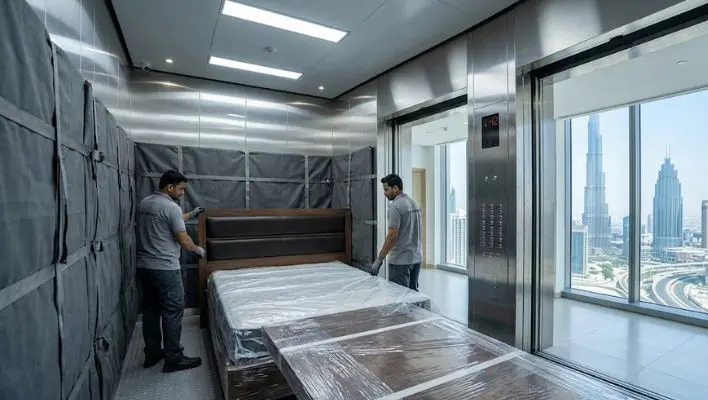
In cities like Dubai, high-rise apartments, elevators, and narrow hallways make moving even more challenging.
Step 1: Plan Everything Before Moving
Planning is the first and most important step.
Measure these areas before moving:
- Doors
- Hallways
- Stairs
- Elevator size
Also measure your furniture:
- Sofa length
- Bed frame size
- Table width
If furniture does not fit, you may need to disassemble it.
A simple plan saves time and avoids damage. Professional movers always plan routes before lifting anything.
Step 2: Gather the Right Moving Tools
Using proper tools reduces damage risk by more than 50%.
Here are essential tools:
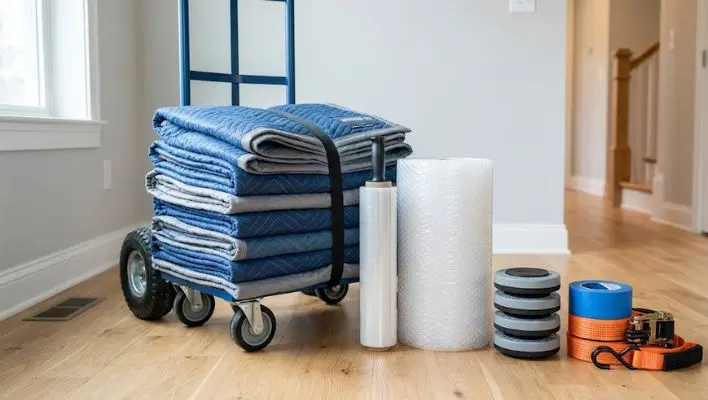
Furniture sliders
They help move heavy items without lifting. They reduce floor scratches.
Moving blankets
They protect wood and fabric furniture from dents and scratches.
Dollies (hand trucks)
Used for heavy items like wardrobes and sofas.
Furniture straps
They help distribute weight and reduce back injuries.
Bubble wrap
Best for glass and fragile parts.
Plastic stretch wrap
Keeps furniture stable and clean during transport.
Without these tools, even small movements can cause damage.
Step 3: Disassemble Large Furniture
Large furniture should never be moved as one piece if it can be broken down.
Disassemble:
- Bed frames
- Dining tables
- Bookshelves
- Wardrobes (if possible)
Keep all screws and bolts in labeled bags. This avoids confusion later.
Tip: Take a photo before disassembling. It helps during reassembly.
Step 4: Protect Furniture Properly
Proper wrapping is the key to damage-free moving.
Wooden furniture
Use moving blankets. Avoid direct plastic contact as it traps moisture.
Glass furniture
Use bubble wrap in multiple layers and add cardboard support.
Sofas and chairs
Cover with plastic wrap and sofa covers.
Corners and edges
Add extra padding. Most damage happens at corners.

Step 5: Use Safe Lifting Techniques
Wrong lifting is one of the main reasons for injury.
Follow these rules:
- Bend your knees, not your back
- Keep furniture close to your body
- Do not twist while lifting
- Lift slowly with control
Studies show that back injuries account for nearly 30% of home moving injuries worldwide. Most of them happen due to incorrect lifting.
If the item is too heavy, do not move it alone. Ask for help or use tools.
Step 6: Protect Your Floors and Walls
Floors are often damaged during moving.
To avoid this:
- Use sliders under furniture legs
- Place blankets on walking paths
- Use cardboard sheets for extra protection
- Avoid dragging heavy items
Wooden and marble floors are more sensitive to scratches.
Even a small mistake can leave permanent marks.
Step 7: Plan the Route Inside Your Home
Before moving furniture inside the new home:
- Clear all pathways
- Remove rugs and small items
- Check tight corners
- Decide furniture placement in advance
This reduces confusion and saves time.
In most cases, furniture damage happens because people rush without planning the final layout.
Step 8: Load Furniture in the Truck Properly
Truck loading is very important.
Follow these rules:
- Place heavy items first
- Keep items against walls
- Fill empty spaces with blankets
- Keep fragile items on top
Balanced loading prevents movement during transport.
Unbalanced loads can lead to scratches and breakage.
Step 9: Handle Glass and Fragile Items Carefully
Glass furniture needs extra attention.
Steps:
- Wrap with bubble wrap
- Add cardboard layers
- Mark as fragile
- Keep separate from heavy items
Never place heavy items on glass pieces.
Even small pressure can cause cracks.
Step 10: Avoid Common Moving Mistakes
Most damage happens due to simple mistakes:
- Dragging furniture on floors
- Skipping protective wrapping
- Lifting without support
- Rushing during loading
- Ignoring measurements
Avoiding these mistakes alone can prevent most damage.
Expert Tips for Moving Furniture Safely
Here are professional tips used by movers:
- Always disassemble when possible
- Use proper moving equipment
- Wrap every item separately
- Label all parts clearly
- Take breaks during heavy lifting
Professional movers follow these steps for every move to reduce damage risk.
Should You Hire Professional Movers?
If your furniture is expensive or heavy, hiring movers is a smart choice.
Benefits:
- Less risk of damage
- Faster moving process
- Proper tools and equipment
- Insurance coverage in some cases
In Dubai, many people prefer professionals for apartment and villa moves due to tight spaces and high-rise buildings.
Final Thoughts
Learning how to move furniture in Dubai without damage is not difficult. It only requires planning, proper tools, and careful handling.
Most furniture damage happens due to rushing or ignoring basic steps. If you follow the right process, you can protect your home and furniture easily.
Simple actions like wrapping, measuring, and lifting correctly can make a big difference.